Appetite suppressant: mechanisms, withdrawals and claims
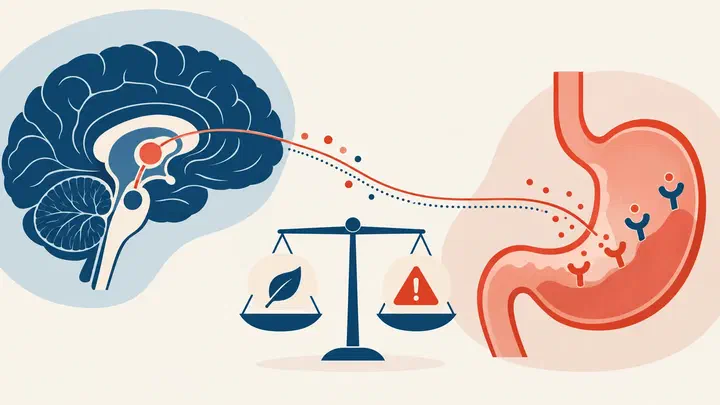
Hunger-reducing drugs act through different biological pathways. Their withdrawal history explains why an ingredient name and a safety record matter more than a claim on a bottle.
Rimonabant news since 2004
Acomplia (rimonabant) was meant to be the first safe, effective diet pill since fen-phen. The Zimulti Acomplia Report followed it from the first trial results in 2004 to its withdrawal in 2008, and now uses that record to make sense of the weight-loss drugs that came after it.

When rimonabant went on sale in Britain in June 2006, and then in some 40 other countries, it was the most anticipated weight-loss medication since fen-phen. It was widely assumed that the drug, sold in Europe as Acomplia, would reach the United States as Zimulti, even after an FDA advisory panel voted against it in June 2007 over its depressive side effects.
That never happened. In October 2008 the European Medicines Agency said Acomplia should be withdrawn because of its link to psychiatric disorders, and on 5 November 2008 developer Sanofi-Aventis ended all further development. The same autumn Merck stopped taranabant and Pfizer stopped otenabant, the two CB1 blockers that had been racing to follow it.
This site is an independent news source: it does not sell any drug, supplement or weight-loss program, and nothing here is medical advice.
| Date | Event |
|---|---|
| March 2004 | First RIO-Lipids results and STRATUS-US smoking results presented at the American College of Cardiology meeting |
| 21 June 2006 | European Commission approves Acomplia |
| 13 June 2007 | FDA advisory panel votes against Zimulti |
| 29 June 2007 | Sanofi-Aventis withdraws its US application |
| 23 October 2008 | European Medicines Agency recommends suspension |
| 5 November 2008 | Sanofi-Aventis ends development of rimonabant |
All 285 news reports are listed in the news section, year by year.
Hunger-reducing drugs act through different biological pathways. Their withdrawal history explains why an ingredient name and a safety record matter more than a claim on a bottle.
Weight gain after stopping smoking averages about 4–5 kg in the first year, but individual changes vary widely. The evidence supports planning for appetite and weight while keeping quitting the main health goal.
A panel vote is advice, not approval. The rimonabant hearing explains how to find meeting documents, read the question behind a vote and follow the FDA's later decision.
An FDA boxed warning identifies serious risks that deserve a treatment discussion. Contrave and the changing varenicline label show why the wording, evidence, and date matter.
A calculator can turn trial response rates into NNT, but the denominator and the safety endpoint decide what the answer means. Worked rimonabant examples show both the arithmetic and its limits.
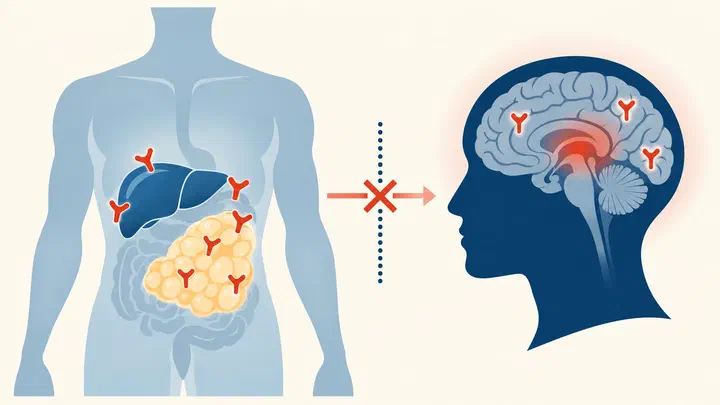
A new CB1 drug produced weight loss, but higher doses also brought more treatment withdrawals. The rimonabant history explains why brain exposure, psychiatric monitoring and missing trial data still matter.