Appetite suppressant: mechanisms, withdrawals and claims
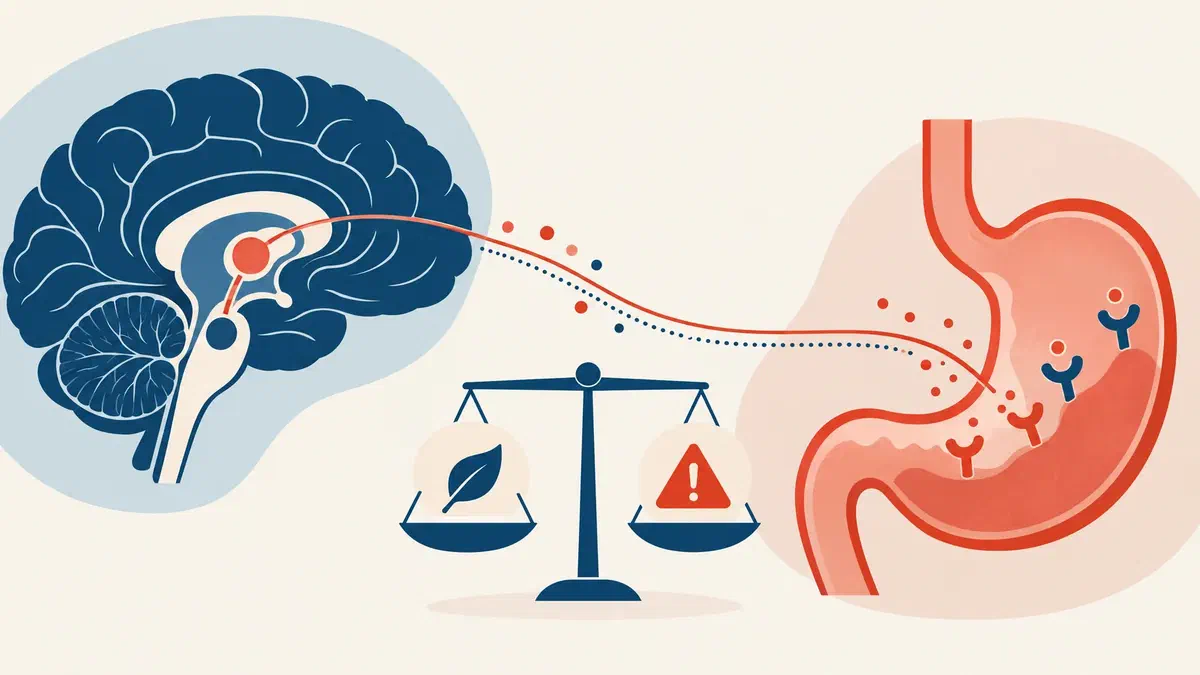
Hunger-reducing drugs act through different biological pathways. Their withdrawal history explains why an ingredient name and a safety record matter more than a claim on a bottle.

Every new weight loss drug raises the questions rimonabant raised: how big the benefit really is, who carries the risk and what regulators need to see. These posts answer them with evidence from the trials, the regulators and the history of the drugs that failed.
Hunger-reducing drugs act through different biological pathways. Their withdrawal history explains why an ingredient name and a safety record matter more than a claim on a bottle.
Weight gain after stopping smoking averages about 4–5 kg in the first year, but individual changes vary widely. The evidence supports planning for appetite and weight while keeping quitting the main health goal.
A panel vote is advice, not approval. The rimonabant hearing explains how to find meeting documents, read the question behind a vote and follow the FDA's later decision.
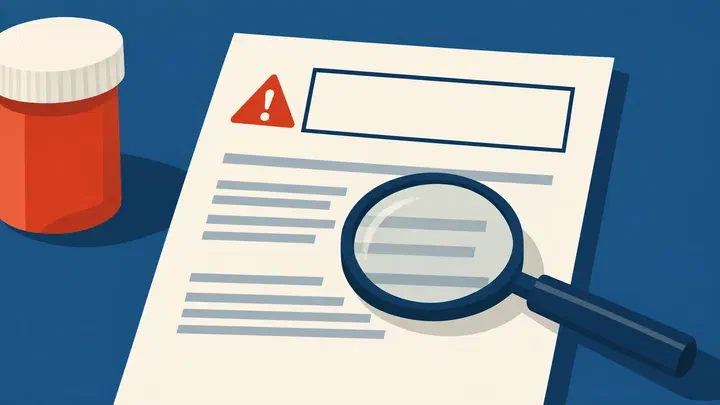
An FDA boxed warning identifies serious risks that deserve a treatment discussion. Contrave and the changing varenicline label show why the wording, evidence, and date matter.
A calculator can turn trial response rates into NNT, but the denominator and the safety endpoint decide what the answer means. Worked rimonabant examples show both the arithmetic and its limits.
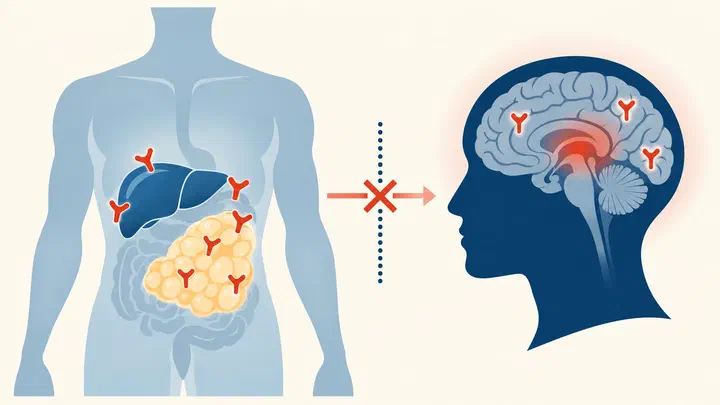
A new CB1 drug produced weight loss, but higher doses also brought more treatment withdrawals. The rimonabant history explains why brain exposure, psychiatric monitoring and missing trial data still matter.
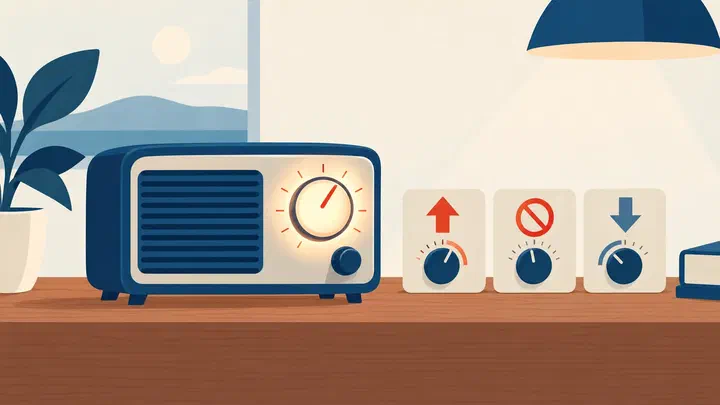
Receptor blockers can do different jobs. Rimonabant helps explain background receptor activity, the limits of a mechanism label, and why researchers pursued other ways to block CB1.
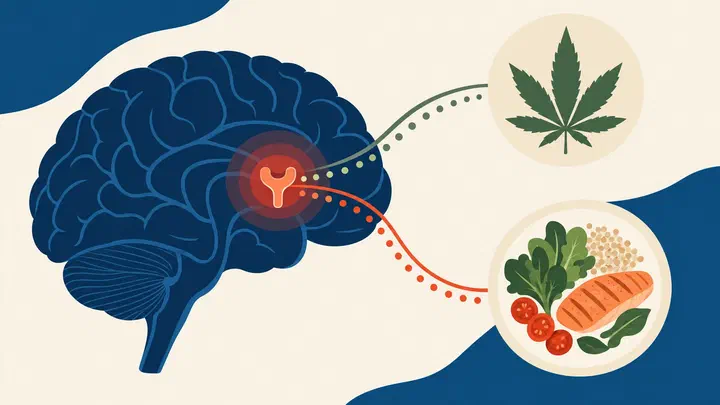
THC can stimulate appetite through CB1 receptors, but the smell and POMC explanations come from mouse experiments. Rimonabant’s history shows why the same receptor mattered for mood as well as hunger.
FDA requested lorcaserin's withdrawal in February 2020 after a cancer imbalance emerged in its safety trial. The notice explains stopping treatment, disposing of unused medicine and continuing standard cancer screening.
Meridia and Reductil produced weight loss, but SCOUT found more nonfatal heart attacks and strokes in high-risk patients. Their withdrawal still matters because hidden drug ingredients can turn up in weight-loss supplements.
The fenfluramine–phentermine boom showed how convincing weight-loss results can run ahead of safety evidence. Its 1997 withdrawal offers specific questions to ask about any new drug combination.